
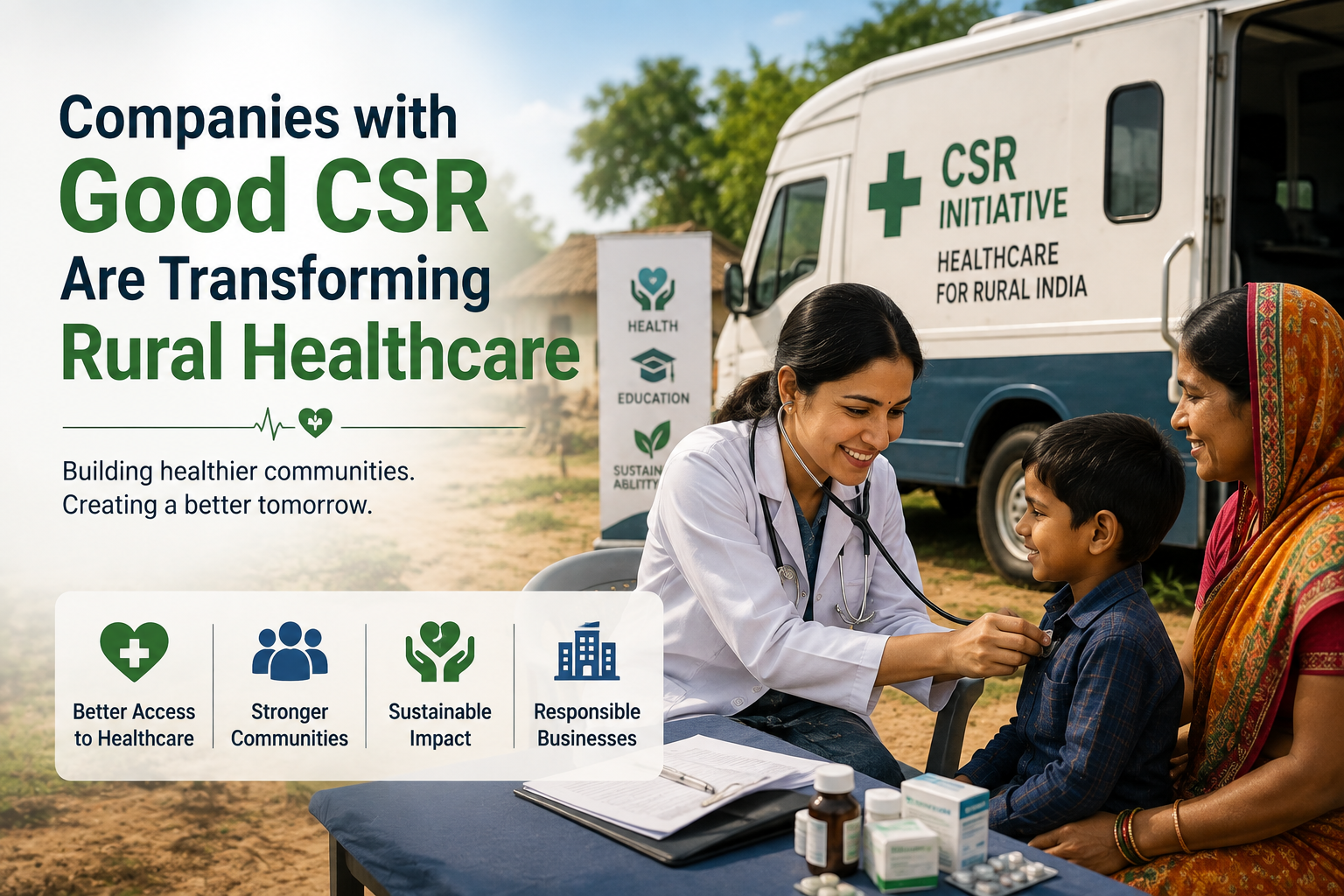
In India, especially in rural places, getting access to quality healthcare remains one of the biggest challenges today as well. Though metro cities have witnessed rapid healthcare expansion, several tribal and remote regions still have limited access to specialist doctors, medical consultations, and timely treatment.
In this backdrop, Vedanta Limited, one of the leading natural resources companies, launched a 24×7 telemedicine facility in Odisha’s Lanjigarh. Through this latest initiative, Vedanta aims to improve healthcare accessibility across remote villages in the Kalahandi district. The facility was inaugurated in collaboration with Tata 1mg and aims to provide specialist healthcare support to underserved communities.
Though the initiative might look like one of the regular corporate social responsibility activities, its larger importance lies in how digital healthcare can transform medical access in regions where healthcare infrastructure is still developing.
Vedanta Brings Specialist Healthcare Closer to Villages
Lanjigarh, which is one of the remote areas in Odisha, has limited healthcare facilities, and the ones available are physically located at distant locations. In many villages, patients often travel long distances to nearby towns or cities to get consultations from specialist doctors at any time of the day.
However, Vedanta’s telemedicine unit aims to bridge this gap by offering:
- 24×7 medical consultations
- Audio and video-based doctor access
- Support from specialist and super-specialist doctors
- Assisted telemedicine services for local patients
The facility is expected to benefit over 70,000 people across nearly 70 villages in and around Lanjigarh. For tribal and rural communities, especially elderly patients and women, digital consultations can reduce both travel costs and delays in treatment.
Why Telemedicine Is Becoming Important in India
In the last few years, India has witnessed a steep increase in the demand for telemedicine. The Covid-19 pandemic further accelerated the adoption of digital healthcare services, but the biggest long-term impact is expected in rural India.
Today, increasing smartphone usage, internet connectivity, and digital health platforms are making remote healthcare more accessible than before.
Telemedicine also helps address some major healthcare gaps, such as:
- Shortage of specialist doctors,
- Delayed diagnosis,
- Lack of preventive healthcare,
- Limited or no medical infrastructure in villages.
Rather than building advanced hospitals in every remote district, which in reality is a time-consuming process, telemedicine allows specialist healthcare to reach villages digitally. This makes healthcare delivery faster, scalable, and more affordable.
Vedanta’s Community Development Focus in Odisha
The telemedicine initiative done by companies with good CSR, like Vedanta, also highlights the growing focus on community development across Odisha. In the last several years, Vedanta has expanded several social initiatives around:
- healthcare,
- women empowerment,
- education,
- livelihood generation,
- and nutrition support.
Beyond focusing on healthcare, Vedanta has collaborated with many NGO working for education to make it accessible to all. The operations of Vedanta Aluminium, a subsidiary of Vedanta and India’s largest aluminium producer, are closely linked with community outreach programmes aimed at improving living standards in nearby regions.
The company’s social development projects reportedly impact lakhs of people across Odisha through initiatives related to healthcare access, farmer support, women entrepreneurship, and education.
Odisha’s Industrial Growth and Social Infrastructure
Odisha today has become one of India’s major industrial and mining hubs. However, besides industrial growth, there is a growing focus on improving social infrastructure in the surrounding regions.
Projects such as telemedicine facilities show how companies are now investing not just in operations, but also in long-term community infrastructure.
Lanjigarh itself holds strategic importance for Vedanta Aluminium, as the company operates one of India’s largest alumina refineries there. As industrial activity expands in such regions, healthcare accessibility becomes an equally important aspect for corporate social responsibility activities.
The huge Impact of Last-Mile Healthcare
The real significance of the telemedicine initiative taken by the top companies with good CSR lies in improving “last-mile healthcare access.” For several rural families, reaching a specialist doctor at the right time remains difficult.
Digital healthcare models can gradually improve:
- early diagnosis,
- preventive healthcare,
- specialist consultations,
- and healthcare awareness.
In regions like Kalahandi, where geographical and infrastructure challenges still exist, such initiatives can create meaningful long-term impact.
Conclusion
Vedanta’s telemedicine initiative in Odisha is a larger shift taking place in India’s healthcare ecosystem. In the healthcare sector, technology and digital infrastructure are used to improve access in remote regions.
As telemedicine continues to grow, similar healthcare corporate social responsibility activities will play an important role in strengthening rural healthcare delivery across India.
For regions like Lanjigarh, this initiative is not just about digital consultations; it represents a step toward making quality healthcare more accessible, inclusive, and sustainable for communities that need it the most.